


Nobody escapes from AI. No matter where you look, who you are, what you do. Online services, apps, consumer electronics, they all have some sort of an AI… thing.
Companies are eager to incorporate the two most influential letters of our era—AI da?—into their marketing campaigns. They often overpromise and underdeliver. Actually, let me rephrase that. Most of the time, they oversell AI features that are still in beta or even far from what they promised.
Which makes me wonder.
How much AI do we need in our lives?
Apparently, quite a lot, considering we now use AI to do the dating for us.
And you know it’s tempting. I could have simply asked AI to generate blog posts for me, saving myself the pain of writing. I mean, I’m a developer. I could easily build an agent to automate this process. Or I could ask AI to build the agent for me. Who writes code these days?
Joanna Maciejewska once wrote the cliché phrase, “I want AI to wash the dishes for me so I can focus on my creative work. I don’t want AI to do the creative work, because then I’d be left doing the dishes.”
Cliché, I know. How profoundly true though.
That’s the main reason I’m still spending my afternoon writing this blog post. Yes, I want people to read it and connect with me and become the Lord of the Blogs, but that’s not the main purpose here. I want to express myself. I want to get it out of my system. Regardless of how many likes and impressions. I want to be me. I want to be a hero, just for one day.
 Well, thank you very much my fellow digital weirdo.
The broken promise of Web 3.0
Web 3.0 was supposed to be a shift towards a more user-controlled, decentralized, and “trustless” internet, where users have greater control over their online identities and assets.
Well, only in fairytales. Hot take? Yes it is. Obscured? I know!
But think about it. The reality is far from user-controlled or decentralized; AI chatbots have replaced search engines, often without citing their sources. We went from “let me look it up” to “let me trust the black box.” You don’t even know where the answer came from. You just… accept it.
This shift undermines the original vision of Web 3.0. Instead of giving users more control, we’ve handed it over to models that hallucinate with confidence.
AI features that nobody asked for
Have you seen the new smartphones? You don’t have to learn Photoshop these days to edit your photos. Just use your imagination. You don’t have to take any photos either. Which makes it increasingly difficult to distinguish between real and AI-generated ones. Same for wikipedia. Same for music.
So what’s a photo even worth anymore? When every image could be fabricated, the concept of visual evidence starts to erode. Your vacation selfie has the same credibility as a deepfake.
Microsoft has slapped Copilot into every product; Word, Excel, Teams, Outlook, Windows itself. It’s like they took the “AI-powered” label and used it as wallpaper. Most of the time it’s… not great. The suggestions are generic, the context awareness is shallow, and the features constantly interrupt your workflow to offer “help” you didn’t ask for. But worse — every suggestion routes through their model, their cloud, their rules. The user doesn’t gain control. The platform does.
That’s not decentralization. That’s distortion at scale.
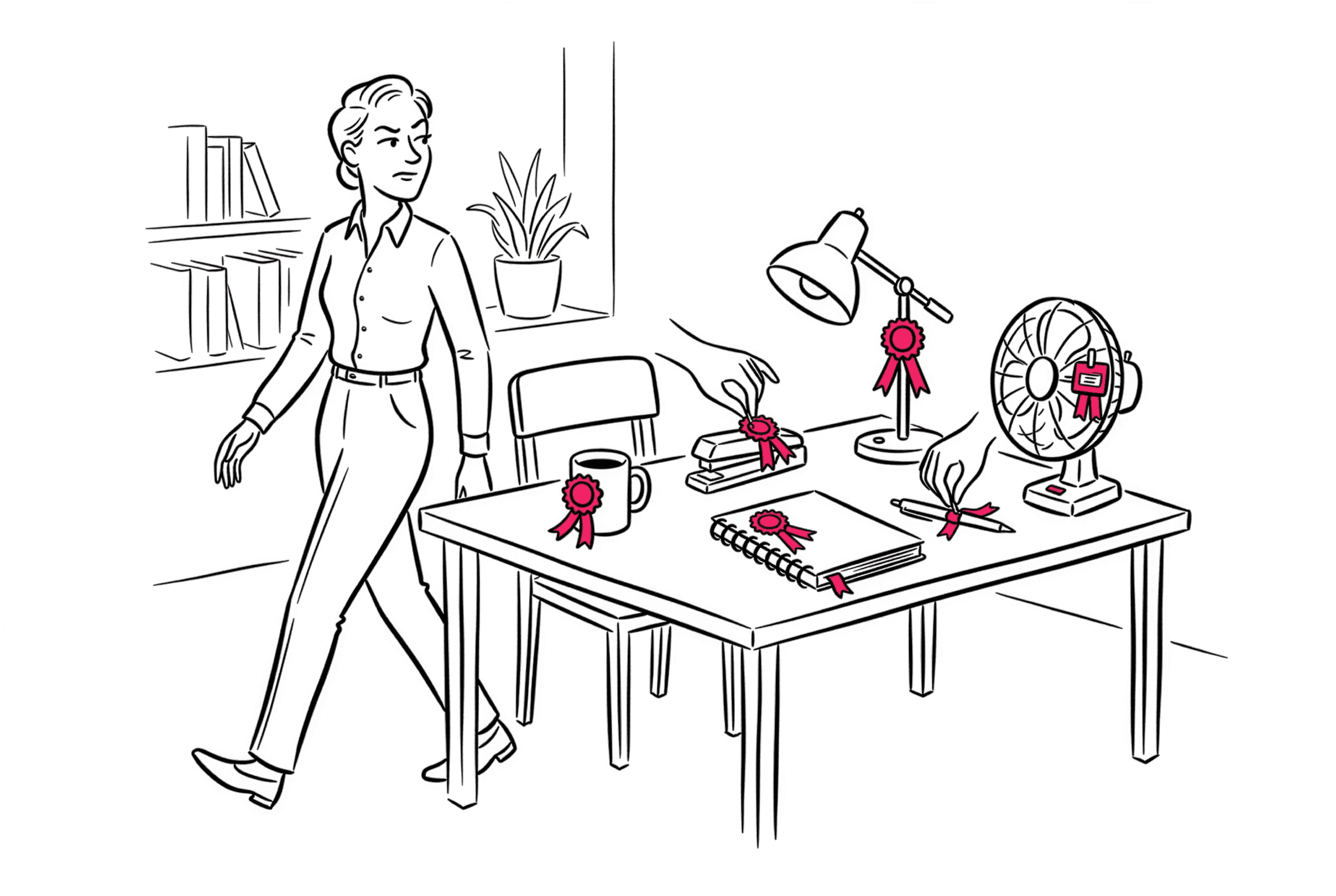 Good news: your toaster has opinions now. Bad news: they’re mostly about bread.
I’m glad that companies like Procreate exist. Computers are here to support us on expressing ourselves, not to replace us.
But here’s the thing. While companies were busy sticking AI labels on their products, the actual revolution was happening underneath. Not in boardrooms or marketing campaigns — in the hands of people who stopped waiting for permission.
The $236 billion agent economy
We’re at day one of something massive.
The shift isn’t just from “using AI tools” to “using better AI tools.” It’s from using tools to hiring invisible teammates. AI agents that plan, decide, and execute tasks autonomously. That connect to your apps, your databases, your APIs, and just… do the work for you.
According to EPAM’s 2025 AI Report, nearly half of companies consider themselves “advanced” in AI — but only 26% have actually shipped anything. The rest? Still making PowerPoints about it.
And here’s where it gets interesting for us developers: Agents will replace SaaS websites.
Let’s process this for a second. Focus on your breathing everyone. Breathe in, breathe out….
Just picture this. Why do you need a UI if the agent can just do the thing for you? The interface becomes irrelevant. It’s all about the logic and the tools underneath.
The window for early movers is open. But it’s closing fast.
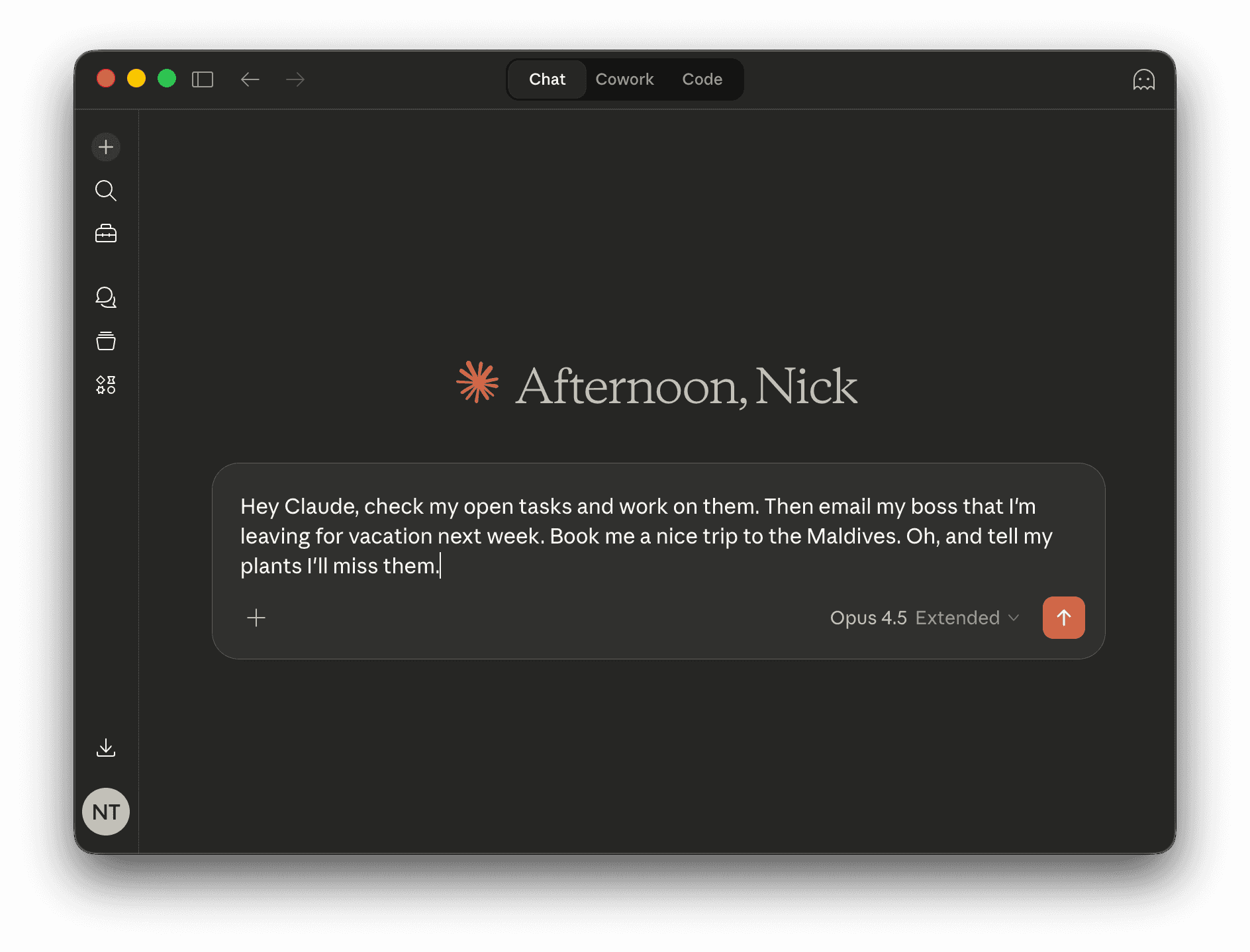 And while you’re at it, don’t forget to pay my bill for the Pro Ultra Max tokens. You owe me.
The last app you’ll ever download
Claude can browse the web for you. It can send emails. It can schedule tasks, execute them step by step, and report back when it’s done. Click, type, navigate, done.
And Claude isn’t alone. Every major AI lab is racing toward the same finish line: an AI that doesn’t just answer questions, but does the work.
Why would you open seven apps when one AI can operate all of them?
Gartner predicts that 40% of enterprise applications will feature task-specific AI agents by 2026. Up from less than 5% in 2025. That’s not evolution — that’s extinction-level pressure on standalone apps.
The app economy was built on one assumption: people will learn your interface to get value. That assumption is dying. Not because apps are bad, but because the middleman between you and the outcome is no longer necessary.
You don’t need Trello if AI manages your tasks. You don’t need Grammarly if AI edits as you type. You don’t need Expensify if AI scans your receipts and files the report. The app was never the point. The outcome was the point. AI just removed the detour.
I’m afraid, this is what Web 3.0 actually looks like — not decentralized servers, but a single intelligent layer between you and everything.
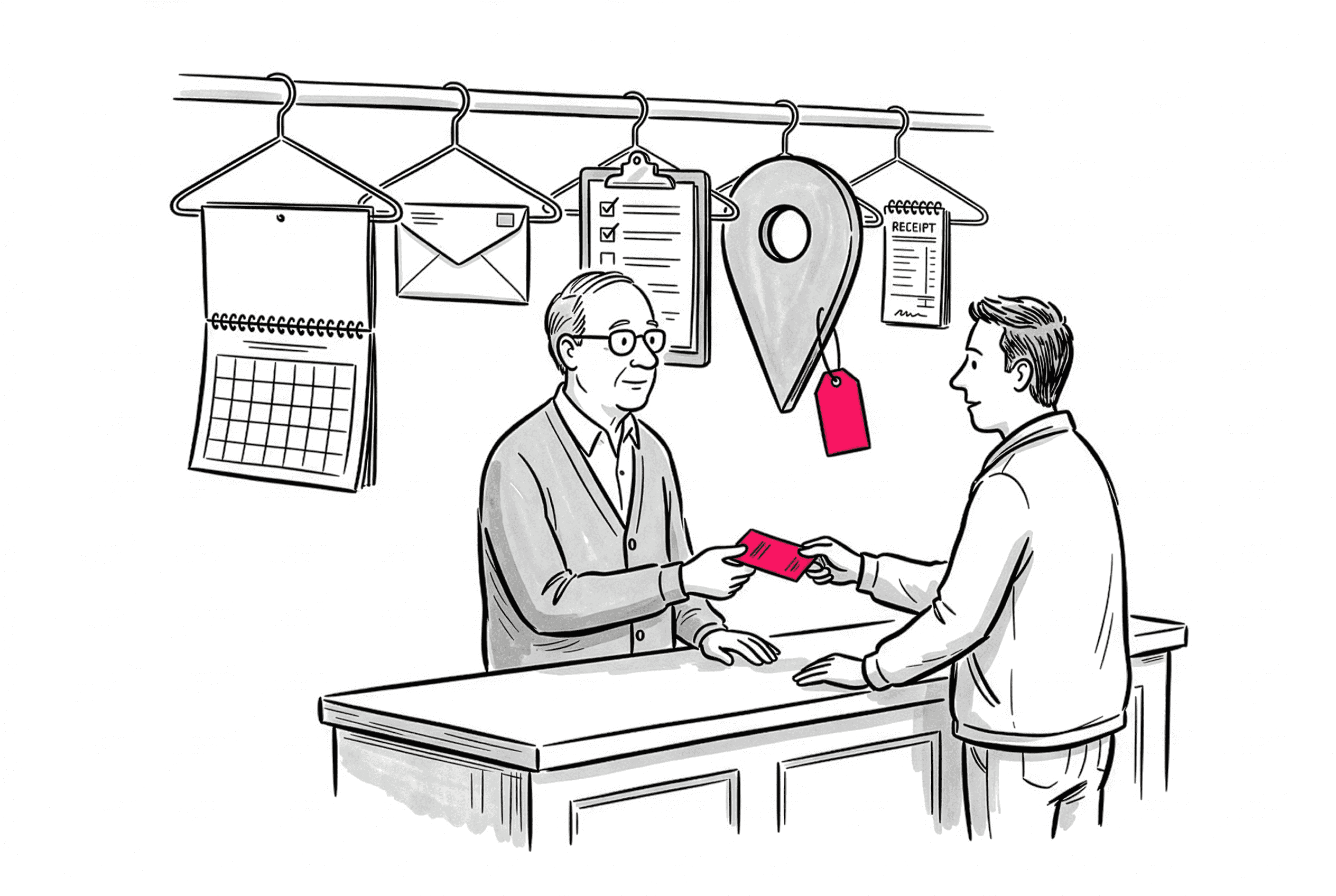 You used to need an app for that. And that. And that. Now you just need one very confident concierge.
You don’t need the f*ing manual anymore
Here’s something that would have sounded insane five years ago: you don’t need to learn new software.
Every platform you’ve ever struggled with — the configuration screens, the keyboard shortcuts, the YouTube tutorials titled “Figma for Beginners (2026 UPDATED)” — all of it exists because software was designed for the average user, and you had to meet it halfway.
AI flips that. Instead of learning how the tool works, you tell AI what you want and it writes the code to make it happen. Personalized. Disposable. Tailored to exactly your workflow.
The manual is dead. Long live the prompt.
You don’t need to master Excel formulas — AI generates the spreadsheet logic you described in plain English. You don’t need to learn a new project management tool — AI builds you a custom one that fits how you think. The code exists for exactly one session, one purpose, one person. And then it’s gone, because you’ll never need it again.
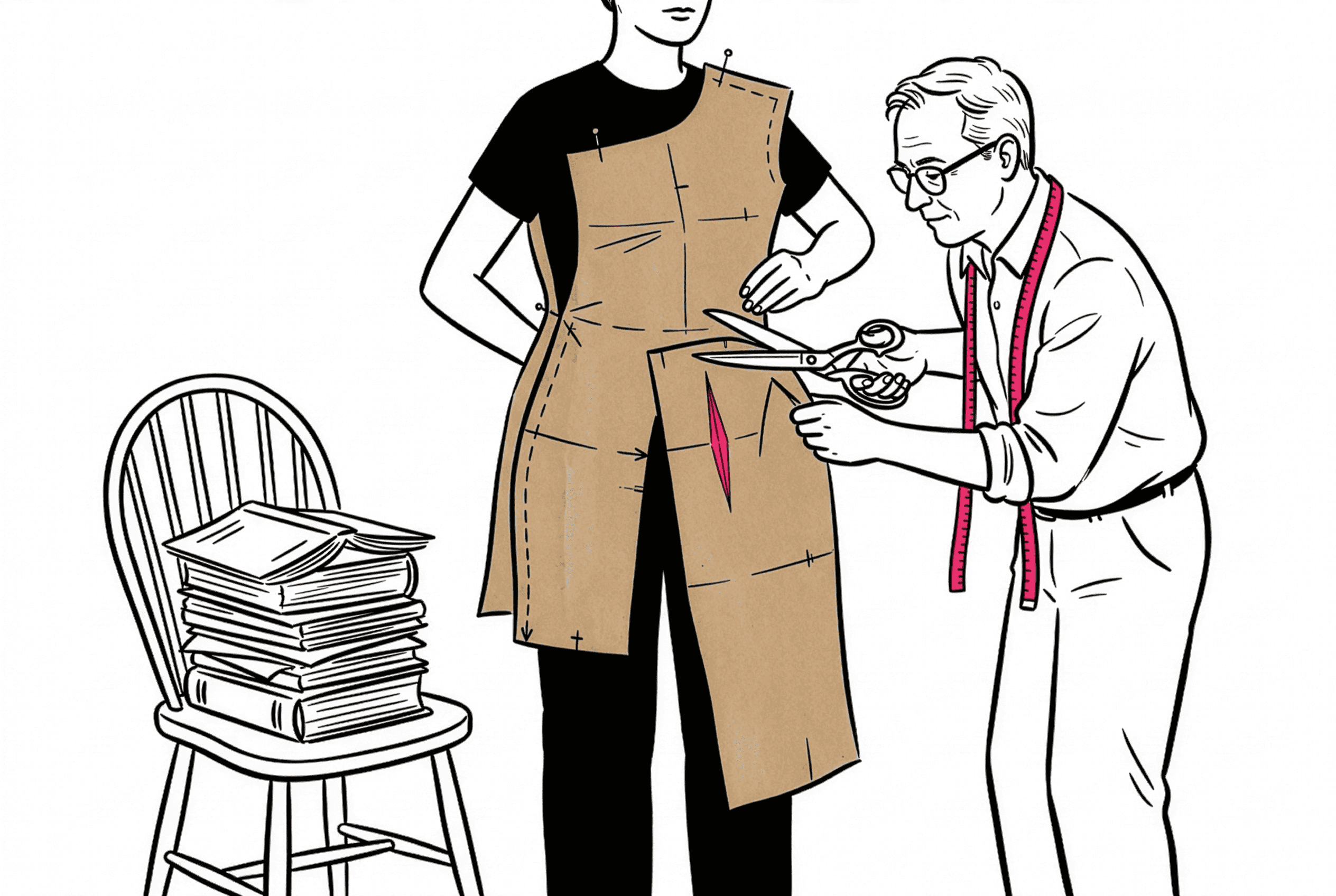 “The Figma books? Oh, those are load-bearing now — they hold up the chair.”
This is the vibe coding thesis taken to its logical extreme. It’s not just developers who can skip the learning curve anymore. It’s everyone.
The entire SaaS business model is built on platform lock-in — “learn our tool, store your data here, pay monthly forever.” When AI can replicate the functionality of any app on demand, lock-in evaporates. The wall disappears. The SaaS subscription model starts looking like a tax on people who haven’t switched to AI yet.
You own nothing
Remember buying video games in big cardboard boxes? Feeling the weight of the manual, flipping through it on the car ride home? That box was yours.
Now it’s a license on Steam. Your music? A Spotify subscription — miss a payment and your entire library vanishes. Your movies? Netflix decides what you get to watch this month. Your design tools? Adobe went from a one-time purchase to a monthly fee, and now charges extra for generative AI fills on top of that.
Every technological shift took something away from us. First the physical object. Then the ownership. Then the permanence.
We didn’t just lose the box. We lost the thing inside it.
And now AI is coming for the content itself. When anyone can generate music, art, and writing on demand, what’s a Spotify playlist even worth? What’s an album that took a year to produce, competing against one that took three minutes to render? The entire concept of a collection — something personal, curated, meaningful — dissolves when everything becomes infinitely reproducible.
We’re so busy debating whether AI will take our jobs that we forgot it’s already taking our shelves.
Your notes are the new software
So if apps die and code becomes disposable — what’s left?
Your thoughts, I guess?
And writing your notes are exactly that. Not notes as in “things you jot down during meetings.” Notes as in the accumulated context of who you are, what you care about, and how you work. Your preferences. Your decisions. Your frameworks. Your domain knowledge. The stuff no AI model ships with out-of-the-box.
The person with the best notes gets the best AI.
Your notes don’t just store information, they instruct AI on how to act on your behalf. Your second brain becomes the operating system for your AI workforce.
AI without context gives you generic output. AI with your notes — your writing style, your project history, your technical decisions, your values — gives you output that sounds like you, thinks like you, and works the way you work.
The investment isn’t in learning tools anymore. It’s in building context. Every note you write, every decision you document, every preference you capture — that’s training data for the AI that works for you. Not training data for OpenAI or Anthropic. Training data for your personal agent.
And that changes everything. Because the competitive advantage isn’t which software you use or which subscription you pay for. It’s the depth and quality of your notes.
The real Web 3.0
Web 3.0 was supposed to be decentralization. It wasn’t.
The real Web 3.0 is this: AI as the universal interface. Code that writes itself for each person. And a set of notes — your notes — as the only software you’ll ever need.
The battle isn’t between apps anymore. It’s between companies that understand this shift. And I’m not talking about companies who build copilots and toolbars. The technology is extraordinary. The way we’re using it? That’s the part that needs work.
I could have asked AI to write this post for me. It would’ve been faster, probably more polished, maybe even more “optimized for engagement.” But it wouldn’t have been me. And in the age of AI, that’s the only feature no one can replicate.
Because in a world where AI can do everything, the most valuable thing you can do is be yourself. The AI will handle the rest.